Caring for Oersted’s Dumb Cane (also known by its botanical name Dieffenbachia oerstedii) can feel intimidating if you’re new to indoor plants. This lush houseplant is known for its broad, vibrant leaves and dramatic presence. Watering is often the trickiest part of keeping Dieffenbachia oerstedii healthy, but with a little patience and some simple guidelines, you’ll soon become an expert. Below, we break down exactly how and when to water Oersted’s Dumb Cane, how much moisture it prefers, and how to read its signals—so you can keep your plant happy and thriving, even if you live in a cozy apartment.
How Often Should You Water Oersted’s Dumb Cane?
One of the most common questions plant owners ask is: “How often should I water my Oersted’s Dumb Cane?” The answer is not rigid—it depends on several factors, like season, light levels, and humidity. As a rule of thumb:
- Water Oersted’s Dumb Cane when the top inch of soil feels dry.
- During spring and summer (active growth), this might mean watering every 7–10 days.
- In autumn and winter, the plant usually needs less water—every 2–3 weeks is often enough.
Tip: It’s much better to check the soil with your finger than to stick to a strict schedule. If the soil still feels moist, wait a couple more days.
How Much Water Does Dieffenbachia oerstedii Need?
Oersted’s Dumb Cane likes its soil to be slightly moist, but not soggy. When it’s time to water:
1. Pour water slowly around the base until it starts to drain out of the holes at the bottom of the pot.
2. Let it drain fully—never let your plant stand in water, as this can easily lead to root rot.
Aim for consistency. Don’t drench the plant one week and then barely water the next. A steady routine keeps your Dieffenbachia oerstedii strongest.
Should You Mist or Spray Oersted’s Dumb Cane?
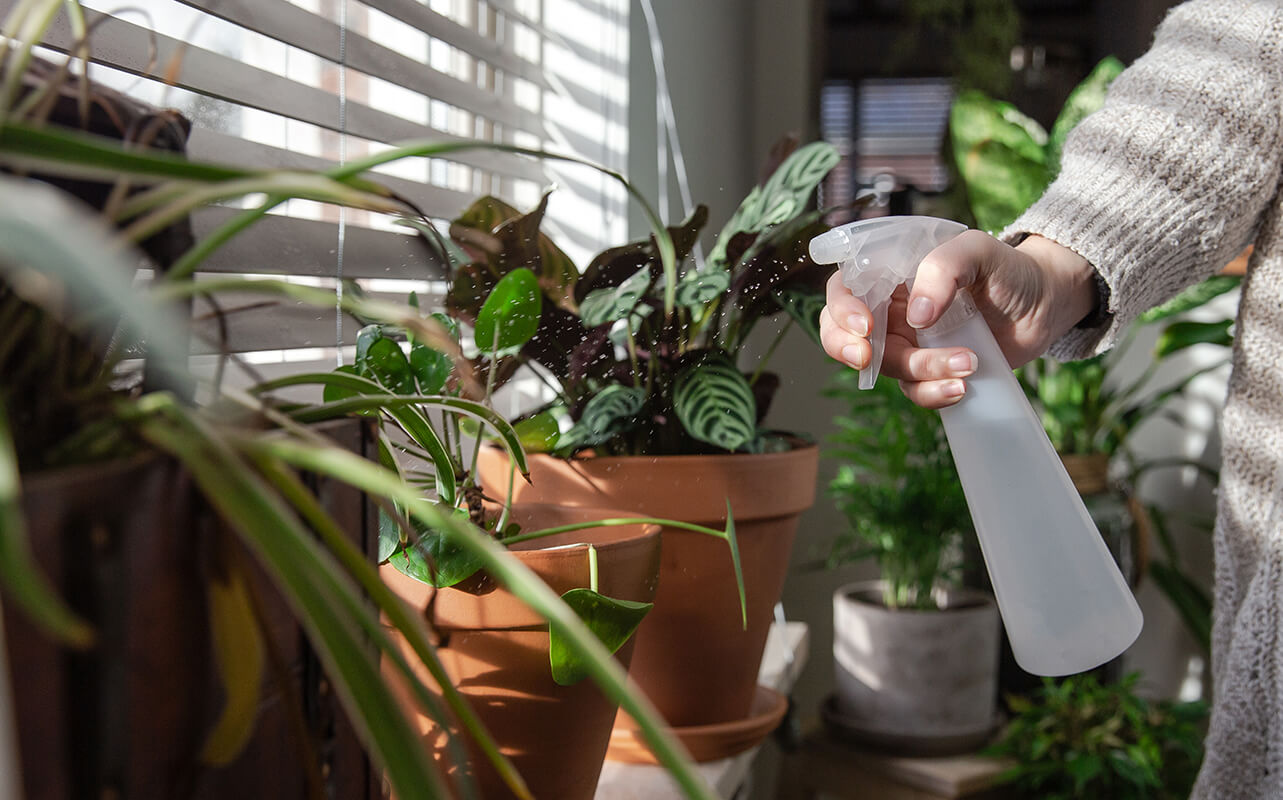
Dieffenbachia oerstedii enjoys humidity, but regular misting is not essential for its health in most apartments. Excess misting can lead to water spots or, in some cases, encourage leaf problems like fungus.
- If your home is especially dry (below 40% humidity), consider misting lightly once a week or using a pebble tray—a shallow dish with pebbles and a little water, set beneath the pot. As the water evaporates, it raises humidity around your Oersted’s Dumb Cane.
- Do not mist so much that water drips off the leaves or pools in the crown of the plant.
What Are the Humidity Needs of Dieffenbachia oerstedii?
While Oersted’s Dumb Cane enjoys average household humidity, it thrives with slightly higher moisture in the air—think 40–60%. Compact apartments can sometimes be dry, especially in winter with heating. Here’s how you can help:
- Cluster your Dieffenbachia oerstedii with other plants (they share humidity).
- Use a small humidifier nearby if the air feels dry.
- Avoid placing the plant next to radiators or cold drafts.
Is Oersted’s Dumb Cane Sensitive to Overwatering?
Yes—overwatering is the fastest way to harm your Dieffenbachia oerstedii. Too much water suffocates the roots and can cause leaves to yellow and rot. Always empty saucers or decorative pots of excess water within 15–30 minutes of watering. The pot should drain freely. If you notice mushy stems, cut back on watering right away and check the soil.
Is Dieffenbachia oerstedii Drought Tolerant?
While Oersted’s Dumb Cane can handle the occasional missed watering, it isn’t fully drought tolerant. Extended dry spells may cause the leaves to droop or get brown tips. If you forget sometimes, don’t worry—you can usually revive it with a thorough watering, but try not to let the soil stay dry for too long, especially in summer.
Should You Bottom Water or Top Water?
Both methods work, but for Dieffenbachia oerstedii, top watering is usually simpler for beginners.
- Top watering: Pour water slowly onto the soil surface and let it drain out the bottom.
- Bottom watering: Place the pot in a bowl of water and let it soak up moisture for 15–20 minutes, then remove and drain.
Bottom watering is good now and then, especially if you notice water running off dry soil during top watering. Just remember: no matter the method, always empty out any leftover water so the roots aren’t sitting in it.
What to Do With Excess Water After Watering?
Never let Oersted’s Dumb Cane sit in water. After watering, check the saucer beneath the pot and pour out any collected water. If your plant’s pot is decorative and lacks drainage holes, transfer the liner to the sink to drain before placing it back.
Summary: Mastering Watering for Oersted’s Dumb Cane
Watering Dieffenbachia oerstedii is a gentle balance—let the top inch of soil dry out before watering, avoid overwatering, and pay attention to changing seasons. Oersted’s Dumb Cane prefers steady moisture, not extremes. Remember, everyone makes watering mistakes at first, but with these simple tips, caring for your Dieffenbachia oerstedii can be easy and rewarding—even in a small apartment!