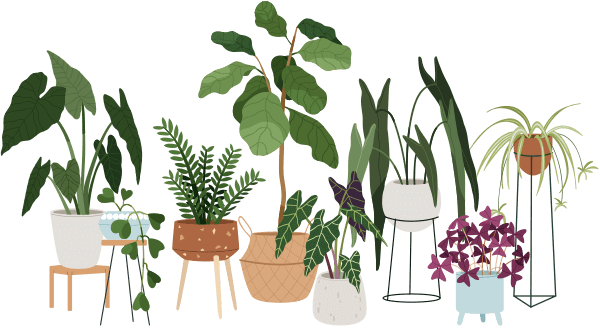

Looking for a striking, easy-care houseplant? Oyster plant (Rhoeo spathacea), with its sword-shaped green and purple leaves, is prized for its bold color and low-maintenance nature. Perfect for novice plant parents and anyone seeking a splash of color in lower light spaces, Oyster plant is both beautiful and forgiving.
Light Requirements
Oyster plant feels at home in bright, indirect light but will happily tolerate medium light levels, making it great for apartments or rooms facing east or north. Avoid exposing it to harsh direct sunlight to prevent leaf scorch. Place your Oyster plant near a window with filtered light, or a few feet away from a bright window for best color.
Watering Schedule
Water your Oyster plant when the top 1–2 inches of soil feels dry to the touch. Overwatering can cause root rot—watch for mushy stems or yellowing leaves. Underwatering can lead to brown leaf tips. During cooler months, water less often. A humidifier isn’t essential, but occasional misting is appreciated, especially in very dry rooms.
Humidity & Temperature
Oyster plant prefers warm, consistent temperatures—ideally 16–27°C (60–80°F). It dislikes cold drafts or sudden chills; avoid placing it near open windows in winter or air conditioning vents. Normal indoor humidity is fine, but higher humidity will encourage lush growth.
Soil & Potting
Use a standard houseplant potting mix with good drainage—no special soil required. Repot your Oyster plant every 2–3 years or if you see roots poking from the pot’s drainage holes; choose a pot just slightly larger than the old one.
Fertilizing
Fertilize your Oyster plant every 4–6 weeks during spring and summer, using a balanced houseplant fertilizer at half-strength. Withhold fertilizer during fall and winter when growth slows.
Common Problems & Solutions
Browning leaf tips usually mean underwatering or low humidity; trim damaged tips and adjust watering. Yellowing leaves may signal too much water—let soil dry between waterings. Watch for mealybugs or spider mites; wipe leaves with soapy water if pests appear. Leaf drop is usually stress (temperature swings, overwatering).
Extra Tips
Rotate your Oyster plant monthly to maintain an even shape since it grows toward the light. Its bold foliage pairs well with trailing Pothos or Snake plants. Fun fact: It’s sometimes called “Moses-in-the-cradle” due to its blossom’s shape. Oyster plant looks fantastic in colorful hanging pots to brighten any nook!